How Field Teams Can Capture and Submit On-Site Data with Offline Sync Using Mobile Devices

Fieldwork has a way of exposing every weakness in a system. What looks simple on paper, collecting data, noting observations, uploading updates, quickly becomes chaotic when you’re dealing with poor connectivity, time pressure, and constantly changing conditions. Notes get scattered, photos lose context, and by the time everything is compiled, the data often needs as much cleaning as it does analysis.
The Reality of Working in the Field
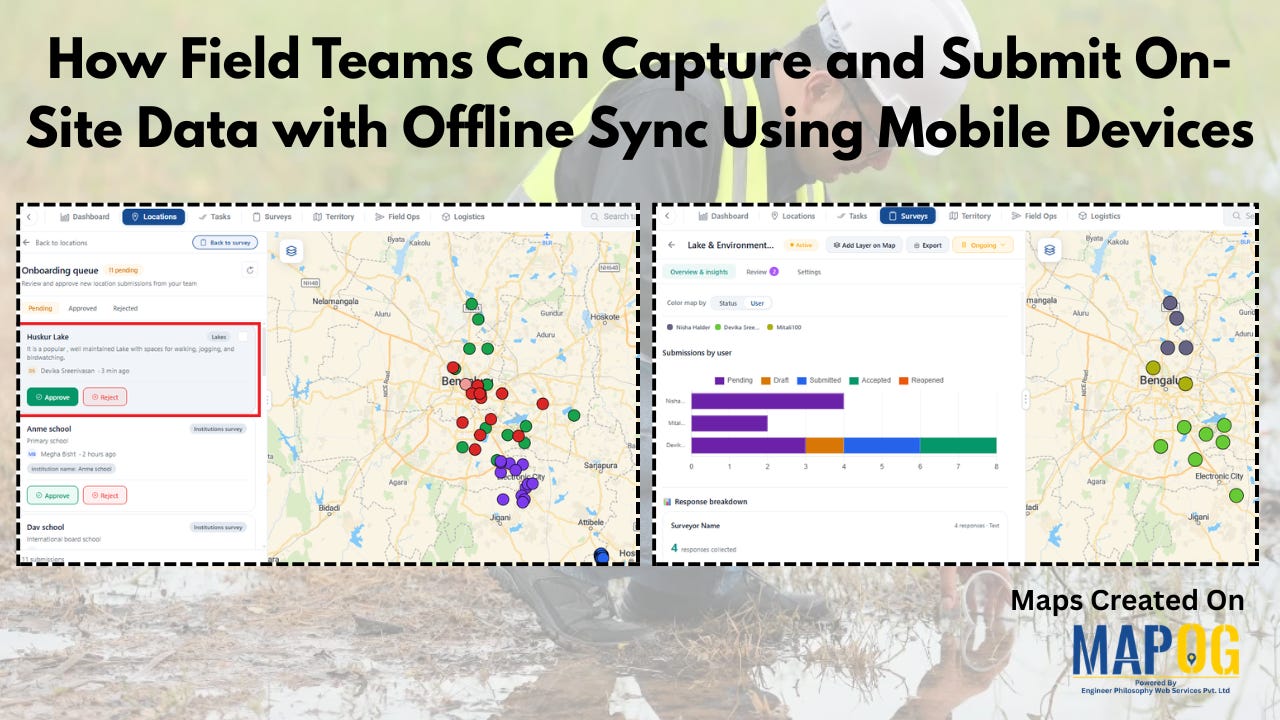
Most field environments aren’t built for smooth digital workflows. Connectivity drops, conditions are unpredictable, and teams are focused on getting the job done—not managing tools. When data collection depends on a stable internet or multiple disconnected methods, errors become inevitable.
Why Mobile Changes the Equation
Mobile devices bring data collection directly to the source. Instead of relying on memory or later uploads, teams can record information on-site—capturing details while they’re still accurate and relevant. This shift reduces gaps in data and keeps everything tied to the actual moment of observation.
Designing for Offline, Not Around It
The most reliable systems are those that assume there will be no internet. An offline-first approach allows teams to continue working without interruption, storing data locally on their devices. Syncing becomes a background process that happens later, rather than a requirement that blocks progress.
From Raw Inputs to Usable Data
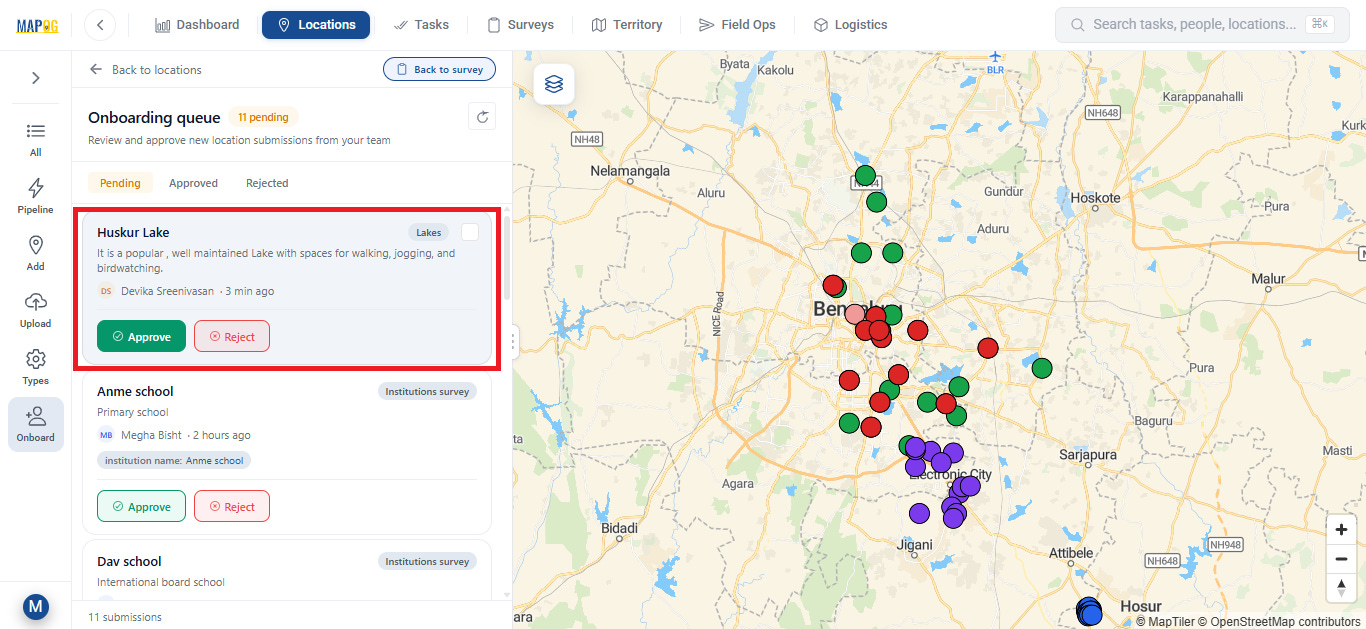
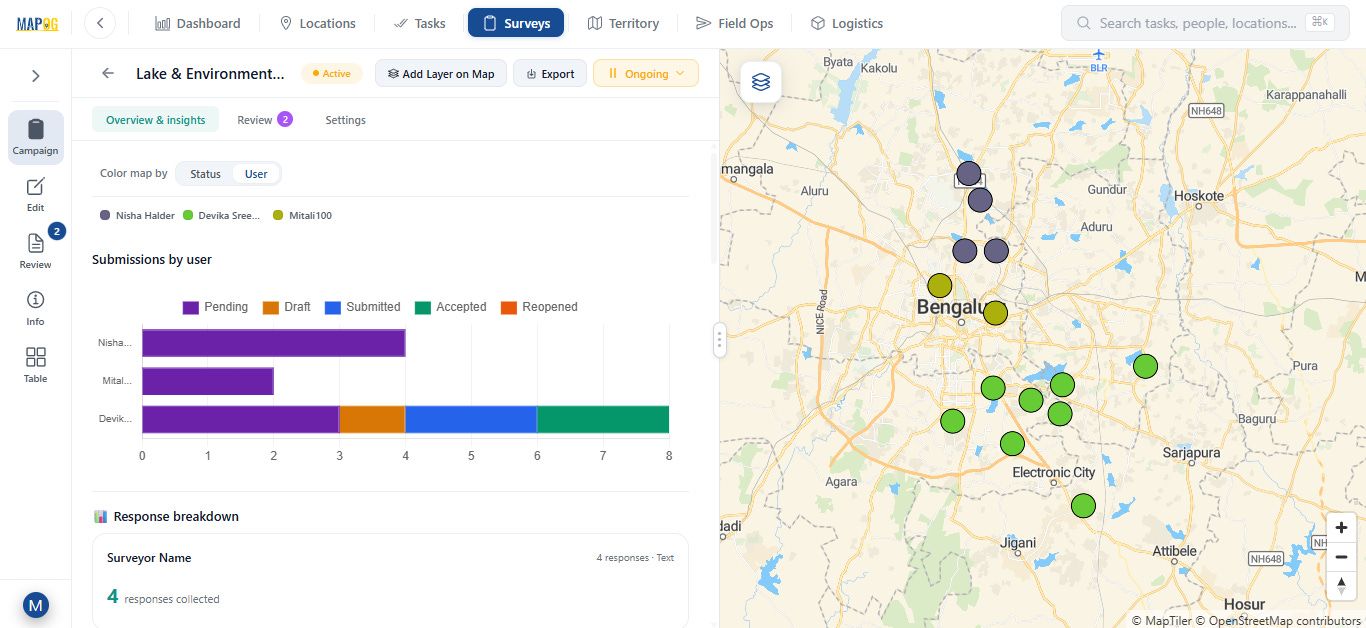
Collecting data is only part of the process—structuring it matters just as much. Standardized forms, geotagging, and media attachments help ensure that each entry is complete and meaningful. When combined with validation and draft-saving features, this creates a workflow where data is not just collected, but actually usable.
Making the Workflow Work in Practice
Tools like MAPOG bring these ideas together into a practical system. Field teams can capture location-based data, fill out surveys, and attach photos directly from their mobile devices, even without connectivity. Everything is saved securely and synced automatically once back online, removing the need for manual consolidation and reducing the chances of error.
Conclusion
Field data collection doesn’t need to be fragile or dependent on perfect conditions. When workflows are built around how field teams actually operate—mobile, offline, and in real time—the entire process becomes more reliable. The result is data that’s not only easier to collect, but far more trustworthy when it’s time to use it.