Build a Store Locator Map for Your Franchise and Add It to Your Website

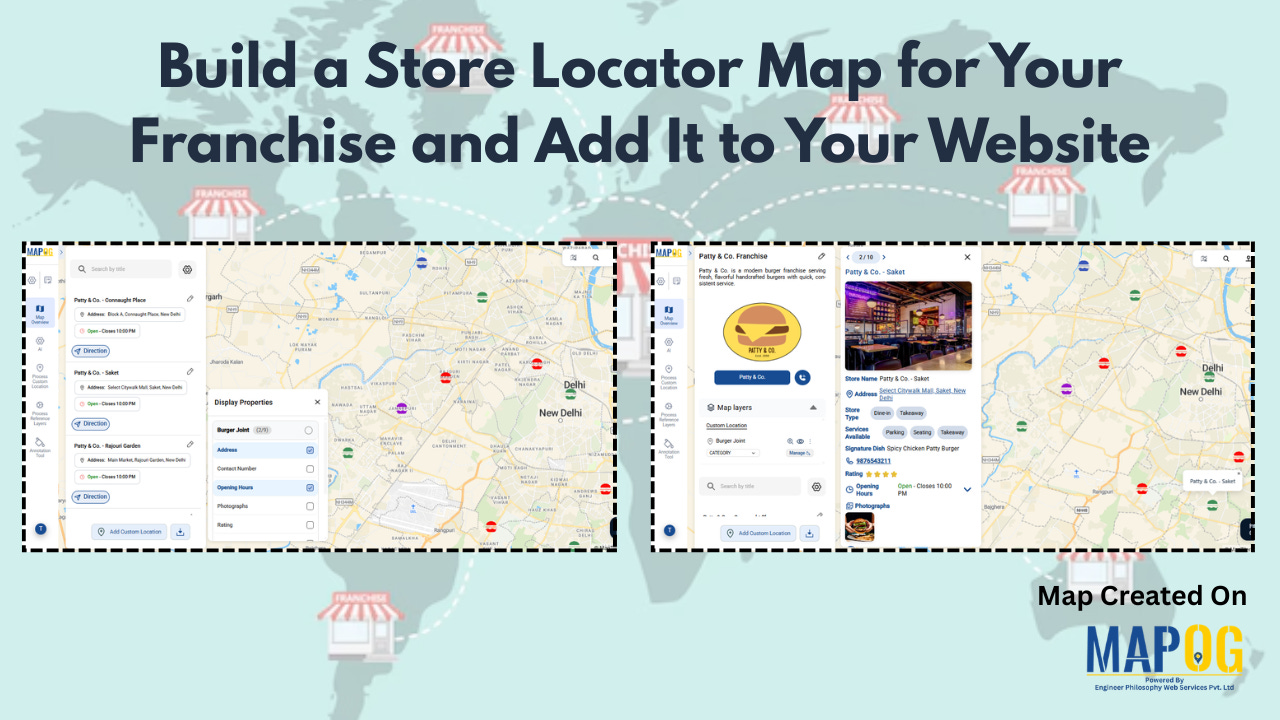
Most franchise websites treat the store locator as a basic utility—a page you add at the end, just to check a box. But in reality, it’s one of the few features that directly connects online intent to offline action.
When someone visits your site, they’re often already interested. They’re just trying to figure out where to go. The easier you make that step, the more likely they are to follow through.
It Starts with Reducing Friction
Think about the last time you tried to find a nearby outlet and couldn’t do it quickly. Maybe the map was slow, the information was incomplete, or the interface felt clunky. Chances are, you didn’t spend much time trying—you just moved on.
That’s exactly what happens on most franchise websites. A good store locator removes that friction. It answers the user’s question instantly and keeps them moving forward instead of dropping off.
Simple Information, Clearly Presented
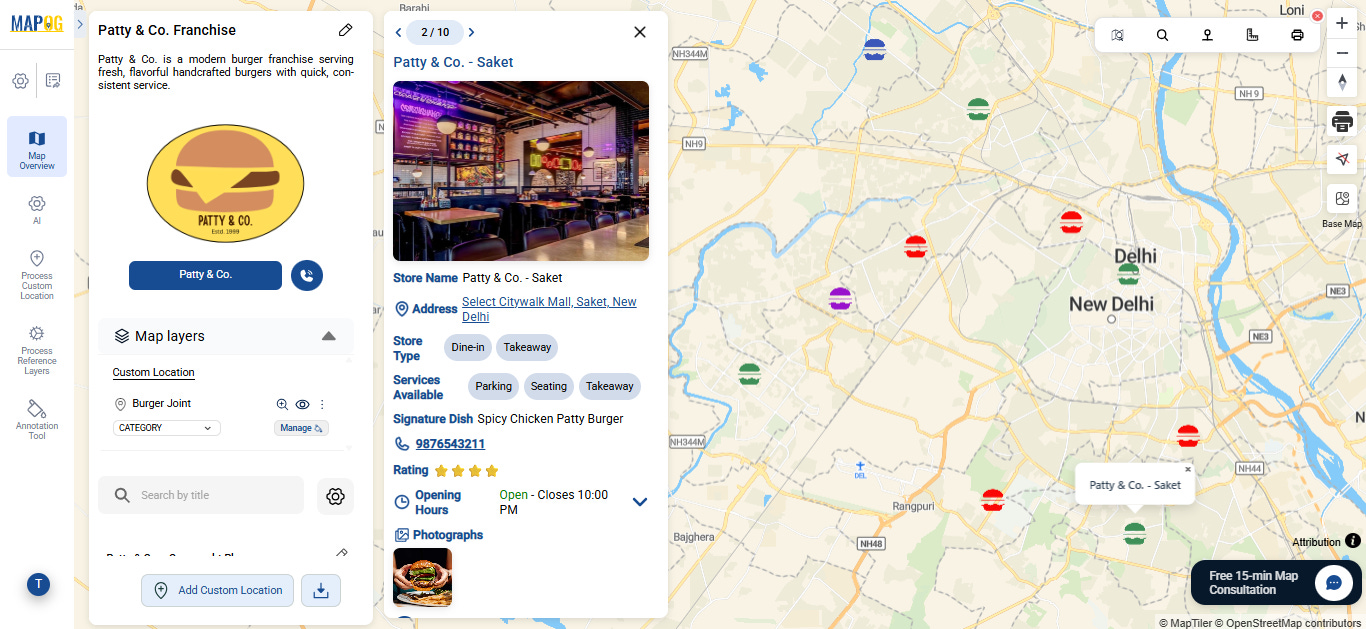
What users need is surprisingly straightforward: where the store is, when it’s open, and how to reach it.
But the difference lies in how clearly this information is presented. When details are easy to scan and available at a glance, users don’t have to think—they can act. Adding small touches, like highlighting popular items or specialties, can also help guide decisions without overwhelming them.
Turning Locations into an Experience
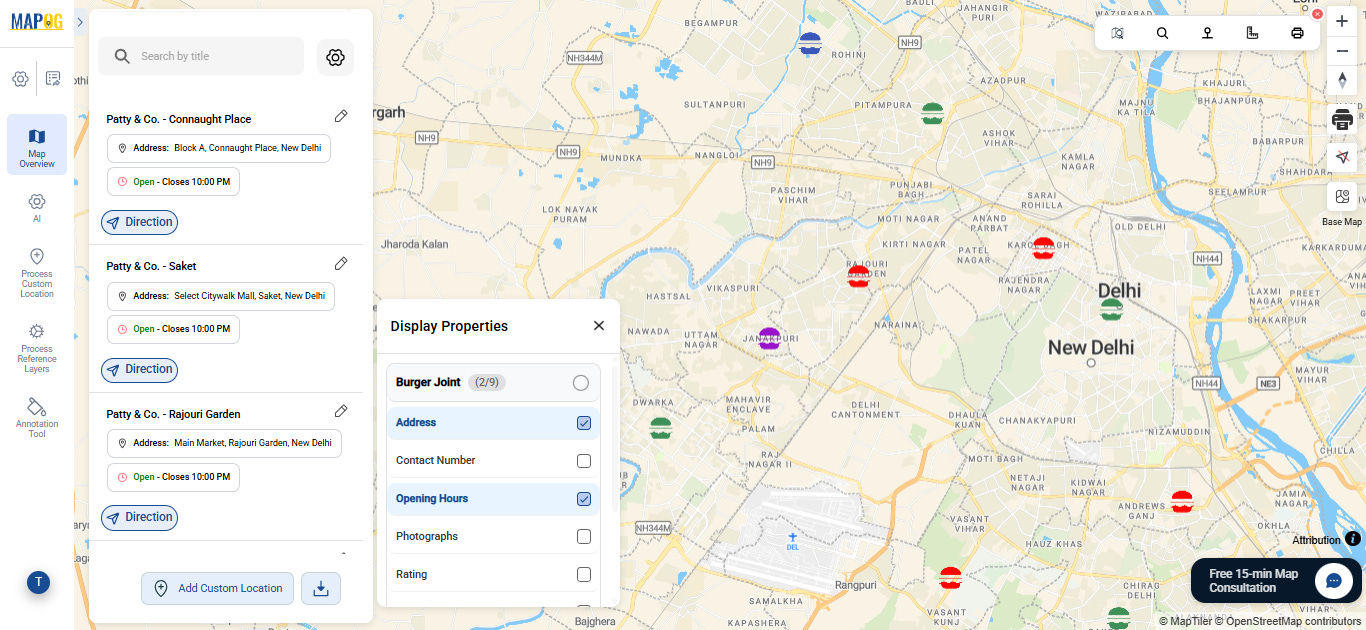
There’s a big difference between listing your stores and helping users explore them.
A static list of addresses does the job, but an interactive map changes how people engage. It gives context—what’s nearby, what’s convenient, what fits their needs. Search and filter options make this even smoother, especially for larger franchises with multiple outlets across cities.
Where It Lives Matters
Even a well-designed locator can fail if it’s buried or hard to access. Placement and performance play a big role in usability.
It should be easy to find, quick to load, and seamless across devices. Ideally, it feels like a natural extension of your website, not a separate tool. When everything works together, the experience feels effortless—and that’s what keeps users engaged.
More Than Just a Map
Over time, the role of a store locator can expand beyond customer convenience.
With the right tools, it can start to offer deeper insights—like understanding delivery coverage, identifying underserved areas, or planning new locations. Platforms like MAPOG make this possible by allowing you to layer additional data onto your map, turning it into something more dynamic and useful for decision-making.
A Small Feature with a Big Impact
It’s easy to overlook the store locator because it feels simple. But that simplicity is exactly why it matters.
It sits at a critical point in the user journey—right before action. When done well, it shortens the gap between interest and decision. And for franchises, that can translate directly into more visits, more orders, and a stronger overall presence.